How we engage

Every engagement starts with the workplace

Before we deliver a single session, we speak with the employer, health and safety representatives and — wherever possible — workers' representatives to understand the specific environment, the hazards present, the workforce demographics and the health issues that are already surfacing. That scoping conversation shapes everything that follows. A site in Montrose harbour with a largely male workforce in their forties doing heavy cargo handling will receive different content and different facilitation than a processing facility with a mixed workforce working continental shifts. We are not a provider of generic health talks; we are a provider of sessions that are specific enough to be useful.

Alongside group sessions, our individual wellbeing advocacy service supports workers who are dealing with health conditions that intersect with their working lives. This might mean helping someone understand a medical letter they have received, supporting them to prepare for an occupational health assessment, or helping them navigate a referral process that feels opaque or intimidating. We also provide light-touch support to workers returning to work after illness or injury, helping them and their employer understand what adjustments might look like in practice. All individual advocacy is confidential and independent — we do not report back to employers — and our facilitators are trained to recognise when specialist support is needed and to make warm referrals where appropriate.

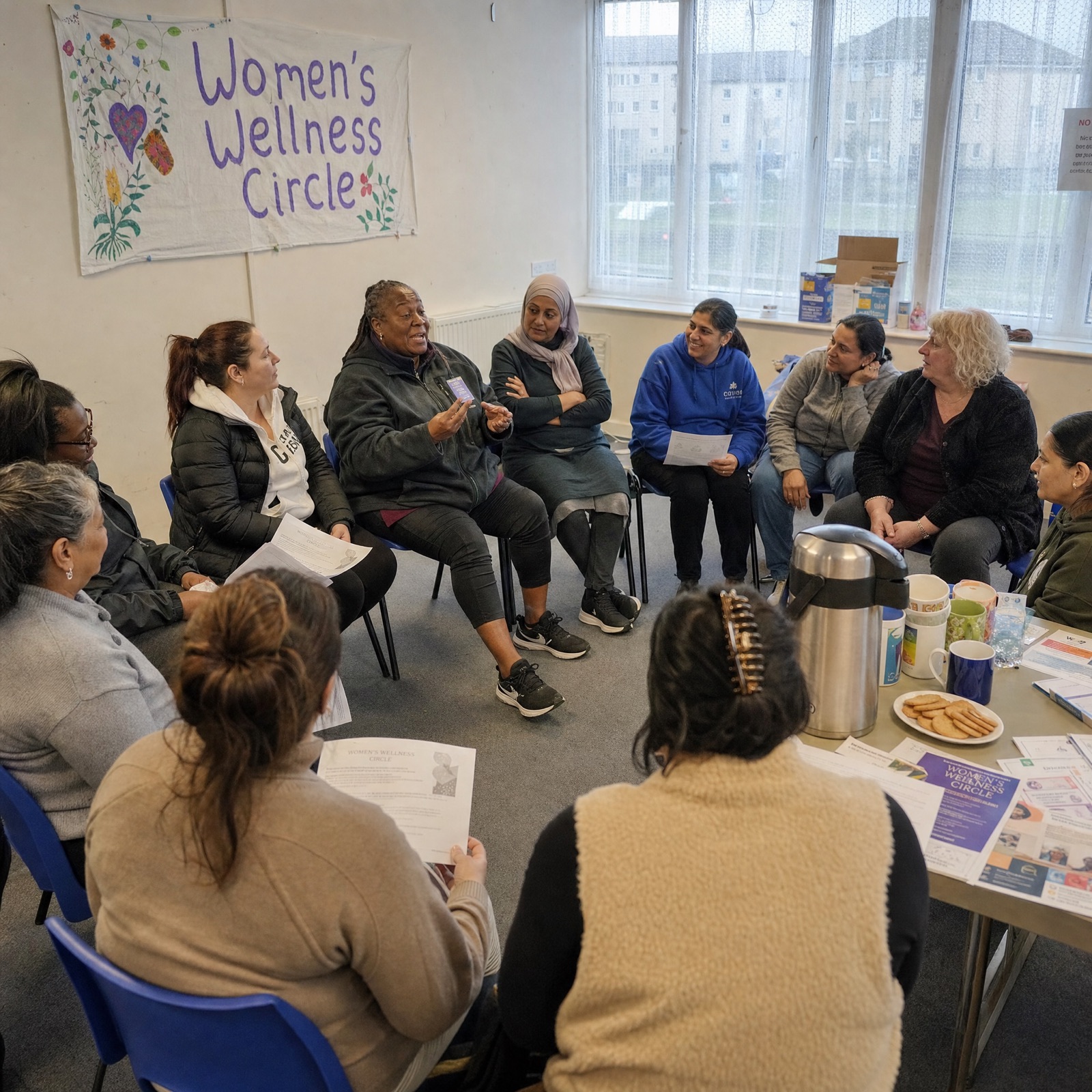
A health facilitator on the Montrose quayside points to a spine diagram for an attentive group of dock workers during a scheduled break
Our programmes

Four areas of focus

Each programme is tailored to the site it is delivered in — the hazards, the workforce, and the specific risks that come with that kind of industrial work.

Musculoskeletal Health Programme

Practical, role-specific guidance on protecting joints, back and soft tissue across physically demanding working lives.

Delivered in sessions of 45–90 minutes directly on-site, our MSK programme covers the biomechanics of common industrial tasks, early warning signs of injury development, and the adjustments — postural, habitual and equipment-related — that reduce cumulative harm. We work with supervisors and health and safety leads to connect session content to the actual tasks workers perform, and we provide follow-up reference materials for shift briefings. The programme has been delivered to cargo handlers, forklift operators, process technicians and maintenance crews across Montrose's industrial estate and harbour facilities.
Cardiovascular Awareness Initiative

Addressing the elevated cardiovascular risks associated with shift work, physical exertion and occupational stress.

Shift workers in industrial settings carry a well-documented elevated risk of cardiovascular disease, driven by disrupted sleep, irregular eating patterns, sustained physical stress and the particular pressures of safety-critical work. Our Cardiovascular Awareness Initiative addresses these risks directly and honestly — not by lecturing workers about lifestyle but by giving them accurate information about what the risk factors are, how to recognise early symptoms, and what actions are available to them through their GP and occupational health provider. We include blood pressure awareness, the signs of cardiac events relevant to physically active workers, and clear guidance on NHS pathways.

Hearing Health and Noise Awareness

Helping workers in high-noise environments understand and protect their long-term hearing health.

Noise-induced hearing loss is one of the most prevalent occupational health conditions among industrial workers, and one of the most preventable when people have accurate information early enough. Our hearing health sessions explain how industrial noise damages hearing over time, what the early signs look and feel like, and how to use hearing protection properly — including the common errors that make standard PPE far less effective than it should be. We work with employers on hearing conservation culture, and we provide individual guidance to workers who have already received audiometry results they are uncertain how to interpret.

Mental Wellbeing at Work

Reducing stigma and building practical resilience around mental health in industrial and petrochemical settings.

Mental health in industrial workplaces has historically been under-discussed relative to physical hazards, but the pressures of safety-critical roles, offshore rotations, redundancy cycles in the energy sector, and the physical toll of demanding work all carry psychological weight. Our Mental Wellbeing at Work programme is designed specifically for industrial settings — it doesn't rely on frameworks developed for office environments, and it is delivered by facilitators who understand the cultural context. Sessions address stress recognition, sleep disruption, peer support, and the practical routes to help that are genuinely available to people in this workforce, including EAP services, NHS talking therapies and local community resources.

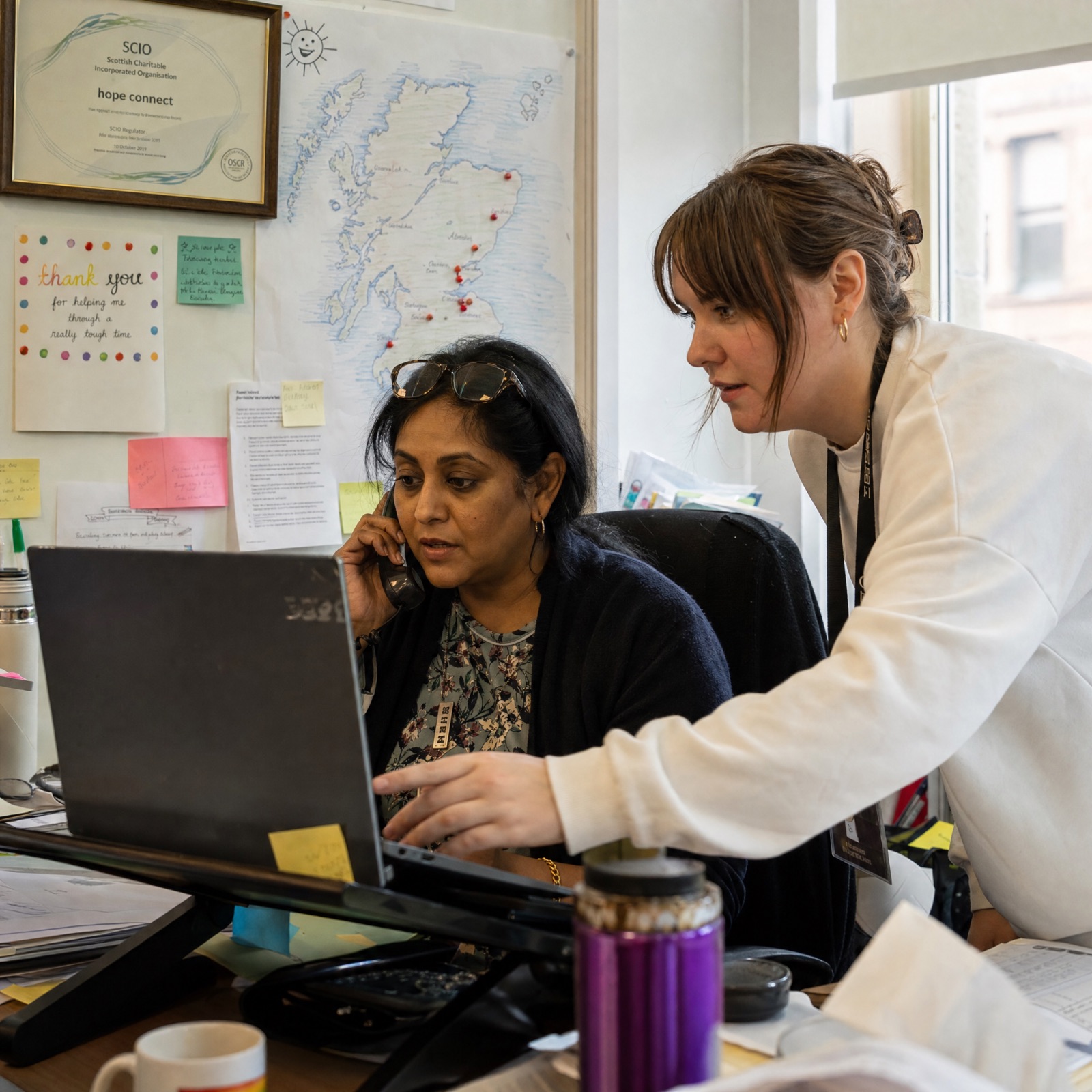
A health advocate in quiet one-to-one conversation with a worker in a site welfare room
Individual support

Wellbeing advocacy: quiet but consequential

Beyond the group programmes, our individual wellbeing advocacy service provides private, confidential support to workers who are facing health challenges that intersect with their jobs. We help people understand diagnoses they have received, prepare for occupational health assessments, navigate NHS referral processes, and return to work after illness or injury.

This work does not get reported back to employers. Our advocates are there for the worker — independent, consistent, and trained to recognise when specialist help is needed and to make warm, appropriate referrals. Many workers tell us that this is the first time anyone has sat with them and helped them make sense of what is happening to their health. That conversation can change a great deal.

Find out more
Our reach

The work in numbers

1,400+ Workers reached annually
38 Employer partnerships active
94% Of attendees rate sessions useful

Bring health support to your workforce

Contact us to discuss how our programmes could be tailored to your site, your hazards, and your people. We work around shift patterns and site access — making it as easy as possible for your workforce to engage.

Get in touch